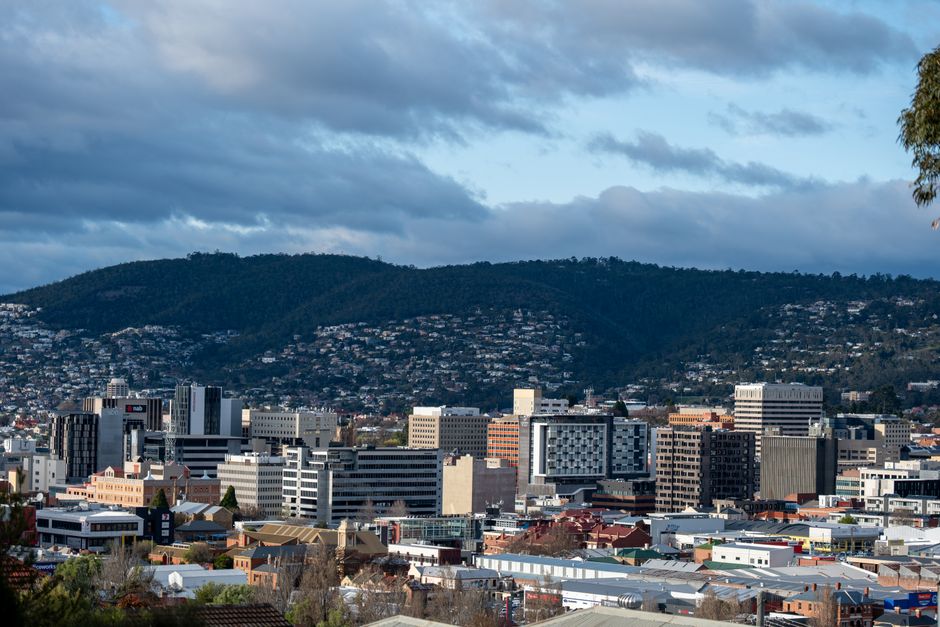
Tasmania's property market is at a crossroads. While lifestyle migration has pushed median house prices to $560,000—and premium suburbs like Sandy Bay and Battery Point commanding eye-watering premiums—a new generation of developers is quietly reshaping how Tasmanians will live in the state's tightest urban corridors.
The catalyst? Inner-city infill development. Planning approvals for multi-unit residential projects across Hobart's CBD fringe have accelerated dramatically over the past 18 months, signalling a fundamental shift away from the sprawling suburban model that has dominated Tasmania for decades.
Recent approvals in West Hobart and Glebe have unlocked sites for medium-density developments ranging from 25 to 60 apartments each—projects that local agents say could fundamentally alter housing availability for first-home buyers priced out of the traditional market. "We're seeing genuine appetite for well-designed apartments in walkable precincts," says one prominent Hobart agent. "Young professionals and downsizers are tired of commuting from the outer suburbs."
The economics are compelling. A two-bedroom apartment in an approved West Hobart project is expected to launch at $480,000—roughly $80,000 cheaper than the median house price. For first-home buyers stretched by lending restrictions and unable to benefit fully from state grants alone, the maths are undeniable.
Launceston is following suit. North Hobart's development boom hasn't gone unnoticed by interstate investors hunting for yield in markets where median prices still languish below $450,000. Three major residential projects are in final planning stages across the city's CBD and surrounding precincts, with completion timelines stretching into 2027.
But not everyone is convinced. Long-time Tasmanians worry about character loss and parking pressures in established suburbs. Local councils are grappling with infrastructure demands—schools, transport, and utilities—as population density increases for the first time in a generation.
The state government's recent planning reforms have streamlined approvals for developments meeting sustainability criteria, effectively tilting the playing field toward apartment living. This month alone, four projects received fast-tracked endorsement.
Whether this represents Tasmania's housing solution or a speculative bubble remains hotly debated. What's certain: the state's next property cycle will look fundamentally different from the last one. The question is whether newly-minted apartment owners will feel they've gained a foothold in the market—or simply traded one problem for another.
This article was compiled by AI from the sources linked above and screened before publishing. See our editorial standards.