Across Tasmania, a quiet shift is reshaping the property landscape. Empty-nesters and retirees are no longer content to simply move south to the Gold Coast or stay put in sprawling family homes. Instead, they're downsizing strategically—and Tasmania's leafy inner suburbs are reaping the rewards.
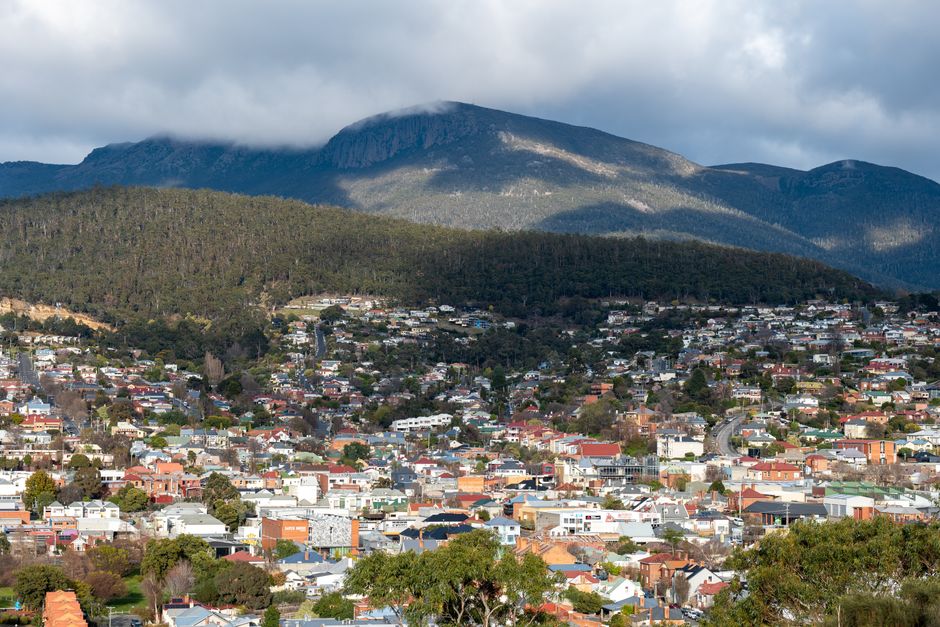
West Hobart and Riverside have emerged as downsizer havens, offering what the family home cannot: walkable streetscapes, proximity to cafes and services, and—crucially—relief from the maintenance burden. A three-bedroom villa or townhouse on Stoke Street in West Hobart now commands $650,000–$750,000, a premium to the state median of $560,000, yet a fraction of comparable properties in Sandy Bay or Battery Point. That trade-off is increasingly attractive.
"The narrative has changed," says local agent insight. Rather than chasing maximum square footage, downsizers are prioritising proximity to Salamanca Market, MONA, and the Hobart waterfront. Transit, not a third garage, now matters. A renovated two-bedroom on Willis Street, West Hobart, sold recently for $595,000—evidence that quality location outweighs lot size.
Riverside and New Town are following suit. The latter offers tree-lined streets, the Sunday Farmers Market, and schools that appeal to young professionals with children—an unexpected bonus in downsizer hotspots. Here, the median sits closer to $520,000, attracting older buyers seeking value without sacrificing lifestyle credentials.
Launceston's story mirrors Hobart's. Suburbs like Trevallyn and Riverside (the northern namesake) are drawing Longford and Hadspen residents downward. A neat weatherboard on Penquite Road recently fetched $485,000, offering city proximity and the Cataract Gorge on the doorstep.
What's driving this? Partly, it's financial prudence. A downsizer unlocking $800,000 from a family home can comfortably retire on the spread. Partly, it's lifestyle. Tending a third-acre in the suburbs loses appeal when travel, grandchild-minding, and café culture beckon. And yes, with national First Home Owners Grants no longer stretching far enough, older buyers are anchoring the market with cash.
The data supports it. Real estate records show villa and townhouse sales in West Hobart and Riverside up 18 per cent year-on-year, outpacing broader Hobart growth. Downsizer-friendly suburbs—walkable, service-rich, lower-maintenance—now command a measurable premium.
For investors, the implication is clear: the days of chasing sprawl are fading. Location, walkability, and demographic tailoring matter more than ever. Tasmania's downsizers aren't looking backward; they're simply refusing to sacrifice quality of life.
This article was compiled by AI from the sources linked above and screened before publishing. See our editorial standards.