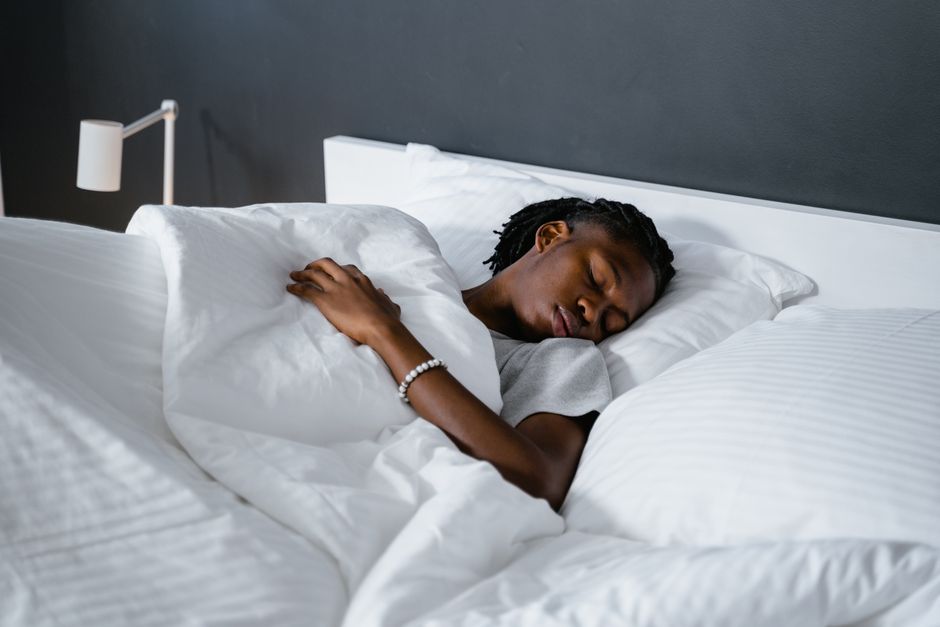
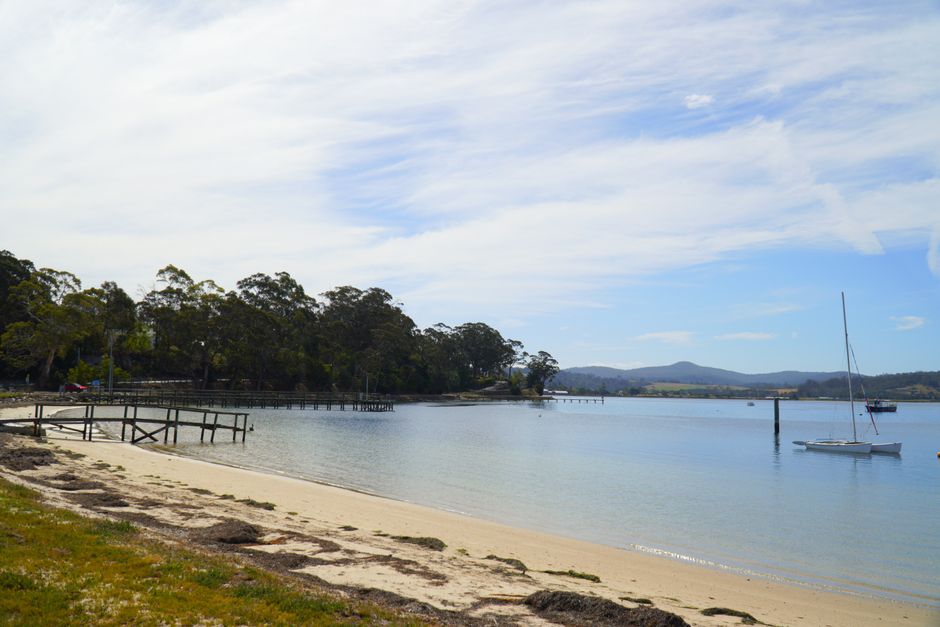
Winter in Tasmania means longer nights and colder temperatures—a natural invitation to invest in sleep quality. Yet many of us sabotage our rest without realising it, leaving our bedrooms poorly optimised for the seven to nine hours of sleep our bodies need to function well.
The good news: a proper sleep environment checklist costs far less than you'd think and delivers measurable results within weeks. Start by measuring your bedroom temperature. Sleep specialists recommend 16–18°C for optimal rest. If you're paying $120–$180 monthly for heating in suburbs like South Hobart or Glebe during winter, a programmable thermostat ($80–$150 at local retailers) pays for itself by preventing overheating at night, which disrupts sleep cycles.
Next, assess light exposure. Blackout blinds or heavy curtains ($40–$120 per window) eliminate street lights and early morning glow—critical in summer when sunrise hits before 5am, and valuable year-round for shift workers across Hobart and Launceston. If you work near the Hobart Waterfront or commute via the Southern Outlet, you're likely exposed to blue light from screens until late. Use amber-tinted glasses after 8pm, or simply switch devices to night mode one hour before bed.
Sound control often gets overlooked. Tasmanian homes near busy roads—Wellington Street in the city, or near kunanyi/Mt Wellington hiking carparks—benefit from white noise machines ($30–$80) or earplugs. A small investment here can mean the difference between interrupted sleep and deep, restorative cycles.
Check your bedding. A quality mattress lasts 7–10 years; worn foam disrupts spinal alignment and triggers mid-sleep waking. Local homewares shops in Salamanca and Sandy Bay stock options from $400–$1,200. Pillows should be replaced every 1–2 years. Natural fibres like wool—abundant in Tasmania—regulate temperature without the chemical off-gassing of synthetic alternatives.
Finally, audit your bedroom's purpose. Avoid working or watching screens in bed; reserve it for sleep and intimacy. This psychological boundary strengthens your brain's association between bed and rest.
These tweaks align with growing evidence from UTAS health researchers on sleep's role in immune function, mood regulation, and recovery from physical activity. Whether you're recovering from hiking kunanyi or training for parkrun at the Hobart Waterfront, sleep quality determines how your body adapts.
Start with one change—temperature or light—this week. Track your sleep quality for two weeks, then add another. Small, cumulative changes build sustainable habits. For persistent sleep issues, consult your GP or a sleep specialist.
This article was compiled by AI from the sources linked above and screened before publishing. See our editorial standards.